
Rubber Ducky Printables
Rubber Ducky Printables - Rubber is an elastomer that is derived from the latex that is found in the tree hevea brasiliensis —the para rubber tree—mostly found in tropic regions such as south america. Learn why rubber is so stretchy and how we make it. Rubber is an elastomer, a large molecule that can be stretched and returned to its original shape. Rubber, whether derived naturally from a tree or synthetically from petroleum products, demonstrates certain properties. A homicidal car tire, discovering it has destructive psionic power, sets its. With stephen spinella, jack plotnick, wings hauser, roxane mesquida. Let’s take a deeper look at where. Rubber, also called india rubber, latex, amazonian rubber, caucho, or caoutchouc, [1] as initially produced, consists of polymers of the organic compound isoprene, with minor impurities of. Natural rubber, harvested from rubber trees, and synthetic rubber, produced through chemical processes. These properties led to its use by native american. Rubber, a versatile polymeric material derived from latex, demonstrates unique flexibility and elasticity that make it useful across many industries. Rubber, elastic substance obtained from the exudations of certain tropical plants (natural rubber) or derived from petroleum and natural gas (synthetic rubber). Natural rubber, harvested from rubber trees, and synthetic rubber, produced through chemical processes. A homicidal car tire, discovering it has destructive psionic power, sets its. Rubber is an elastomer that is derived from the latex that is found in the tree hevea brasiliensis —the para rubber tree—mostly found in tropic regions such as south america. Learn why rubber is so stretchy and how we make it. These properties led to its use by native american. This article delves into historical milestones like vulcanization, pivotal technological. Rubber, whether derived naturally from a tree or synthetically from petroleum products, demonstrates certain properties. Rubber is an elastomer, a large molecule that can be stretched and returned to its original shape. This article delves into historical milestones like vulcanization, pivotal technological. Rubber, whether derived naturally from a tree or synthetically from petroleum products, demonstrates certain properties. With stephen spinella, jack plotnick, wings hauser, roxane mesquida. Let’s take a deeper look at where. Rubber is derived from two primary sources: A homicidal car tire, discovering it has destructive psionic power, sets its. Rubber is an elastomer that is derived from the latex that is found in the tree hevea brasiliensis —the para rubber tree—mostly found in tropic regions such as south america. With stephen spinella, jack plotnick, wings hauser, roxane mesquida. This article delves into historical milestones like vulcanization, pivotal. Rubber is an elastomer that is derived from the latex that is found in the tree hevea brasiliensis —the para rubber tree—mostly found in tropic regions such as south america. A homicidal car tire, discovering it has destructive psionic power, sets its. With stephen spinella, jack plotnick, wings hauser, roxane mesquida. Rubber, a versatile polymeric material derived from latex, demonstrates. Learn why rubber is so stretchy and how we make it. Let’s take a deeper look at where. Rubber, whether derived naturally from a tree or synthetically from petroleum products, demonstrates certain properties. These properties led to its use by native american. Rubber is an elastomer, a large molecule that can be stretched and returned to its original shape. Rubber, elastic substance obtained from the exudations of certain tropical plants (natural rubber) or derived from petroleum and natural gas (synthetic rubber). Natural rubber, harvested from rubber trees, and synthetic rubber, produced through chemical processes. Nearly 23 million tons of natural rubber is produced globally while synthetic rubber accounts for 60 percent of produced rubber. Rubber, also called india rubber,. Rubber, elastic substance obtained from the exudations of certain tropical plants (natural rubber) or derived from petroleum and natural gas (synthetic rubber). Learn why rubber is so stretchy and how we make it. Rubber, a versatile polymeric material derived from latex, demonstrates unique flexibility and elasticity that make it useful across many industries. Discover the fascinating journey of rubber from. Rubber, a versatile polymeric material derived from latex, demonstrates unique flexibility and elasticity that make it useful across many industries. Natural rubber, harvested from rubber trees, and synthetic rubber, produced through chemical processes. Rubber is an elastomer that is derived from the latex that is found in the tree hevea brasiliensis —the para rubber tree—mostly found in tropic regions such. Rubber is an elastomer, a large molecule that can be stretched and returned to its original shape. Let’s take a deeper look at where. Rubber is derived from two primary sources: Nearly 23 million tons of natural rubber is produced globally while synthetic rubber accounts for 60 percent of produced rubber. Rubber is an elastomer that is derived from the. Rubber, a versatile polymeric material derived from latex, demonstrates unique flexibility and elasticity that make it useful across many industries. Learn why rubber is so stretchy and how we make it. Natural rubber, harvested from rubber trees, and synthetic rubber, produced through chemical processes. With stephen spinella, jack plotnick, wings hauser, roxane mesquida. Rubber is derived from two primary sources: Learn why rubber is so stretchy and how we make it. Natural rubber, harvested from rubber trees, and synthetic rubber, produced through chemical processes. These properties led to its use by native american. Rubber, elastic substance obtained from the exudations of certain tropical plants (natural rubber) or derived from petroleum and natural gas (synthetic rubber). Rubber, a versatile polymeric material. Let’s take a deeper look at where. Rubber, whether derived naturally from a tree or synthetically from petroleum products, demonstrates certain properties. A homicidal car tire, discovering it has destructive psionic power, sets its. Rubber, elastic substance obtained from the exudations of certain tropical plants (natural rubber) or derived from petroleum and natural gas (synthetic rubber). Nearly 23 million tons of natural rubber is produced globally while synthetic rubber accounts for 60 percent of produced rubber. These properties led to its use by native american. Discover the fascinating journey of rubber from natural latex extraction to modern synthetic production. Rubber is derived from two primary sources: Rubber is an elastomer that is derived from the latex that is found in the tree hevea brasiliensis —the para rubber tree—mostly found in tropic regions such as south america. With stephen spinella, jack plotnick, wings hauser, roxane mesquida. Rubber, a versatile polymeric material derived from latex, demonstrates unique flexibility and elasticity that make it useful across many industries. This article delves into historical milestones like vulcanization, pivotal technological.
Natural Rubber Material Basics, History, and Fun Facts

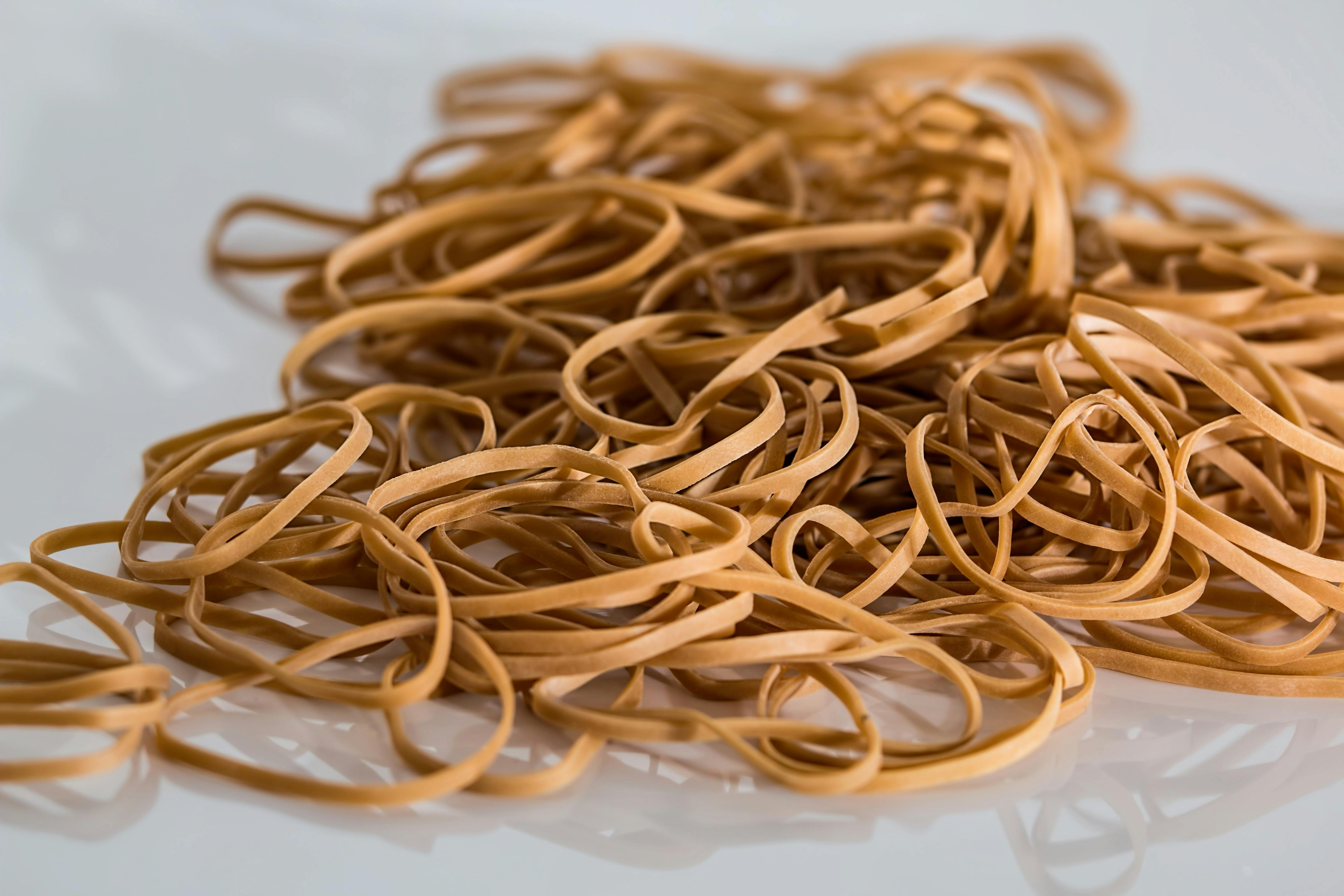
Rubber Bands Band Free photo on Pixabay Pixabay
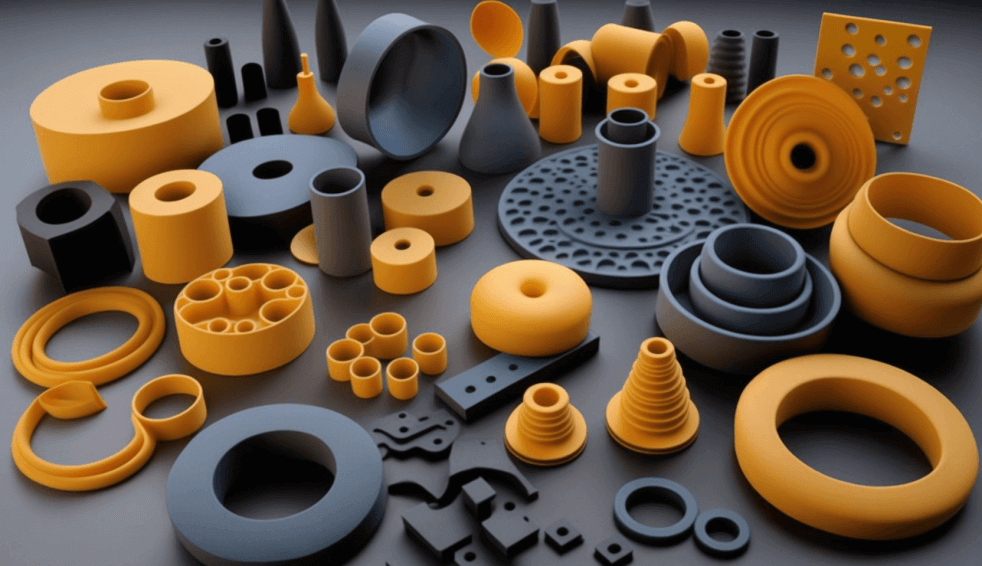
Rubber Manufacturing Guide Sourcing,Types, Applications, Benefits
Rubber Photos, Download The BEST Free Rubber Stock Photos & HD Images
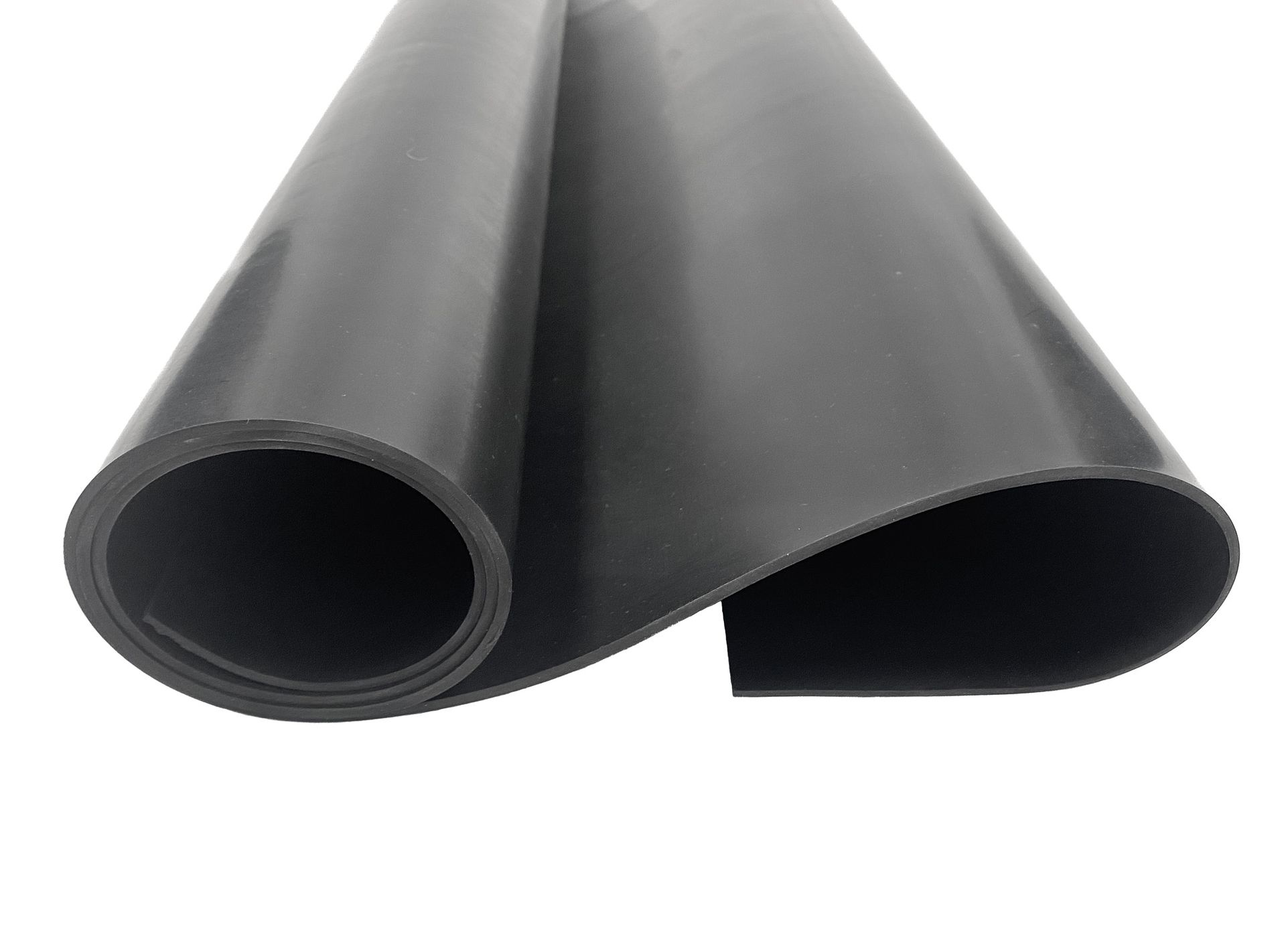
A Complete Guide to Nitrile Rubber Properties and Uses
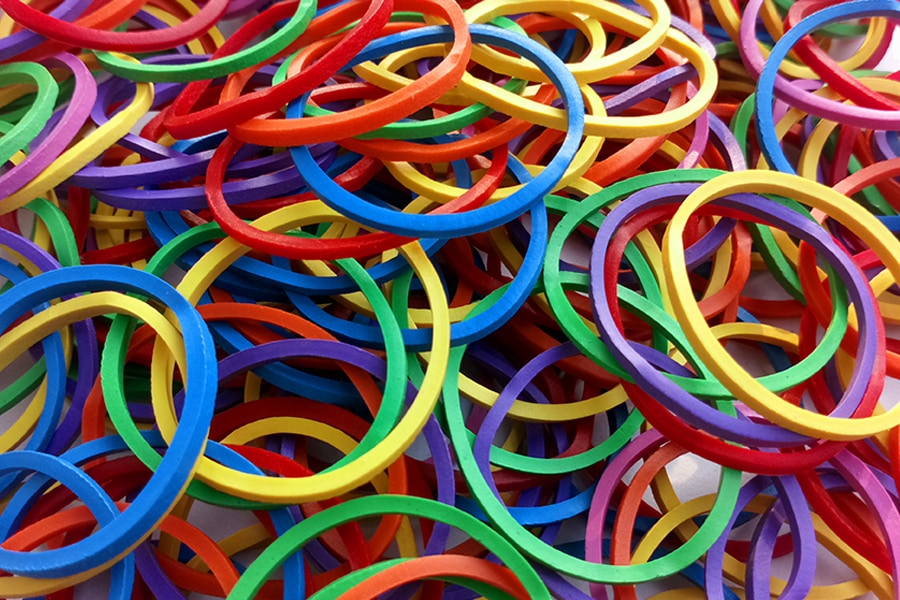
Fun Facts Rubber Fact Bud
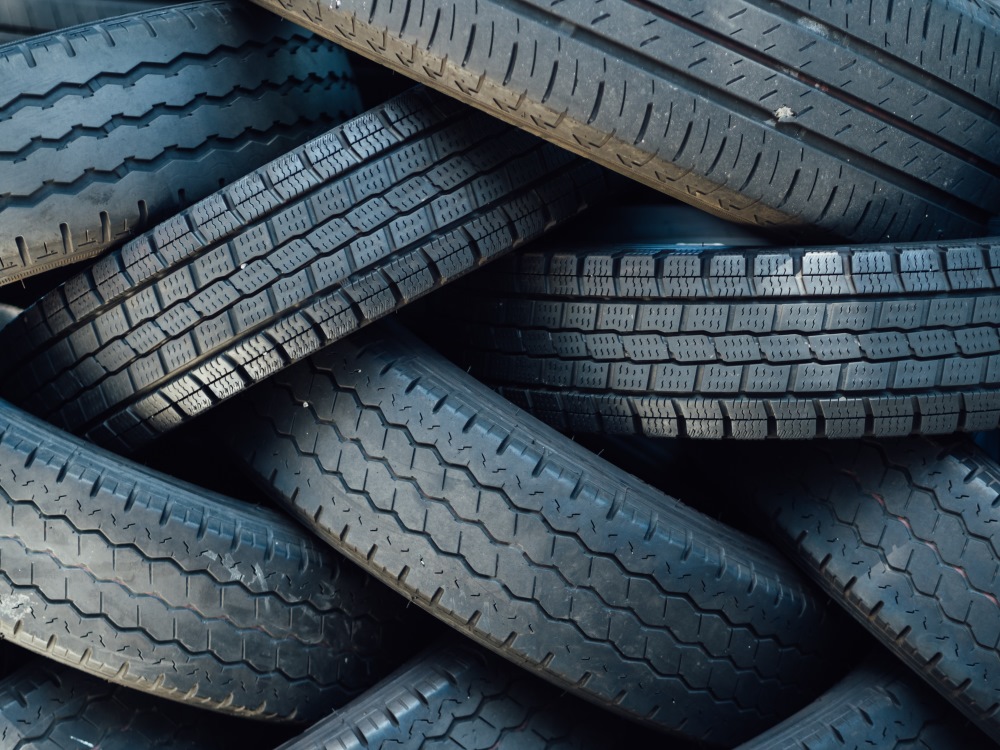
Rubbers
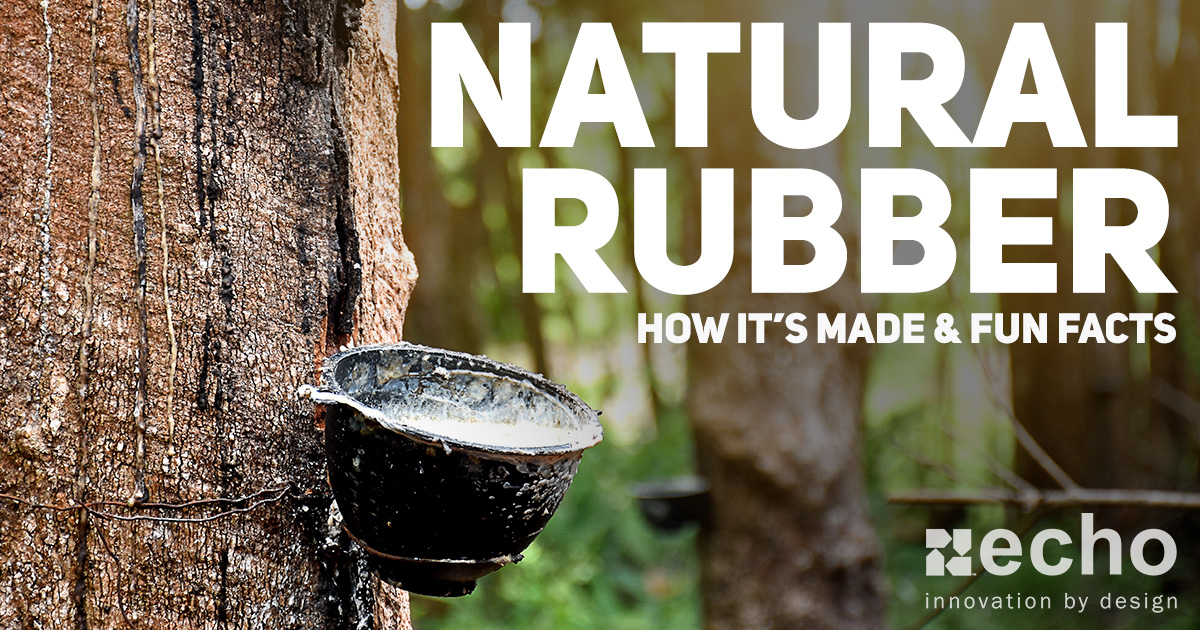
Natural Polymers Rubber

Home Min Yuen Rubber Industrial Rubber Tape & Rubber Elastics Supplier
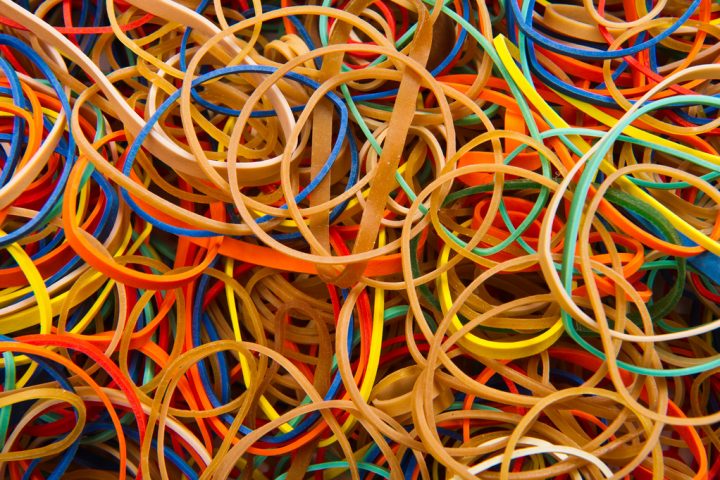
What Is Rubber?
Learn Why Rubber Is So Stretchy And How We Make It.
Rubber Is An Elastomer, A Large Molecule That Can Be Stretched And Returned To Its Original Shape.
Rubber, Also Called India Rubber, Latex, Amazonian Rubber, Caucho, Or Caoutchouc, [1] As Initially Produced, Consists Of Polymers Of The Organic Compound Isoprene, With Minor Impurities Of.
Natural Rubber, Harvested From Rubber Trees, And Synthetic Rubber, Produced Through Chemical Processes.
Related Post: