
Periodontal Chart Printable
Periodontal Chart Printable - Periodontal (gum) diseases, such as gingivitis and periodontitis, are largely preventable and treatable. They are serious bacterial infections that attack the gums and the nearby tissues that hold the teeth in place. Symptoms include bleeding gums, bad breath and loose teeth. As periodontitis progresses, your bones and. The goal of periodontal treatment is to eliminate dysbiotic plaque biofilm from the tooth surface and to establish an environment that allows the maintenance of health. In the worst cases, teeth are lost. Periodontal disease refers to inflammation and infection of the tissues that support your teeth. Periodontitis is a serious infection of the gums caused by bacteria that have been allowed to accumulate on your teeth and gums. Periodontal diseases range from simple gum inflammation to serious disease that results in major damage to the soft tissue and bone that support the teeth. Periodontal disease encompasses inflammatory conditions affecting the periodontium—the gingiva, periodontal ligament, cementum, and alveolar bone. Periodontitis, or gum disease, is a common infection that damages the soft tissue and bone supporting the teeth. Periodontal disease refers to inflammation and infection of the tissues that support your teeth. Periodontitis (gum disease) occurs when the gums become infected and inflamed due to a buildup of plaque and tartar on the teeth. In the worst cases, teeth are lost. Symptoms include bleeding gums, bad breath and loose teeth. As periodontitis progresses, your bones and. They are serious bacterial infections that attack the gums and the nearby tissues that hold the teeth in place. Without treatment, the alveolar bone around the teeth will. The goal of periodontal treatment is to eliminate dysbiotic plaque biofilm from the tooth surface and to establish an environment that allows the maintenance of health. Periodontal diseases are also called gum diseases. Periodontitis, or gum disease, is a common infection that damages the soft tissue and bone supporting the teeth. Periodontal diseases are also called gum diseases. Without treatment, the alveolar bone around the teeth will. Periodontitis (gum disease) occurs when the gums become infected and inflamed due to a buildup of plaque and tartar on the teeth. Periodontal diseases range from. Periodontitis is a serious infection of the gums caused by bacteria that have been allowed to accumulate on your teeth and gums. The goal of periodontal treatment is to eliminate dysbiotic plaque biofilm from the tooth surface and to establish an environment that allows the maintenance of health. Periodontal diseases are also called gum diseases. Periodontal (gum) diseases, such as. Periodontitis, or gum disease, is a common infection that damages the soft tissue and bone supporting the teeth. Periodontal disease refers to inflammation and infection of the tissues that support your teeth. Symptoms include bleeding gums, bad breath and loose teeth. They are serious bacterial infections that attack the gums and the nearby tissues that hold the teeth in place.. Without treatment, the alveolar bone around the teeth will. As periodontitis progresses, your bones and. Periodontitis (gum disease) occurs when the gums become infected and inflamed due to a buildup of plaque and tartar on the teeth. Periodontal (gum) diseases, such as gingivitis and periodontitis, are largely preventable and treatable. The goal of periodontal treatment is to eliminate dysbiotic plaque. Periodontal (gum) diseases, such as gingivitis and periodontitis, are largely preventable and treatable. The goal of periodontal treatment is to eliminate dysbiotic plaque biofilm from the tooth surface and to establish an environment that allows the maintenance of health. This condition—which is common among. In the worst cases, teeth are lost. Periodontitis (gum disease) occurs when the gums become infected. This condition—which is common among. Periodontal disease refers to inflammation and infection of the tissues that support your teeth. Periodontitis is a serious infection of the gums caused by bacteria that have been allowed to accumulate on your teeth and gums. The goal of periodontal treatment is to eliminate dysbiotic plaque biofilm from the tooth surface and to establish an. Periodontal diseases are also called gum diseases. Periodontitis is a serious infection of the gums caused by bacteria that have been allowed to accumulate on your teeth and gums. Periodontal disease encompasses inflammatory conditions affecting the periodontium—the gingiva, periodontal ligament, cementum, and alveolar bone. Without treatment, the alveolar bone around the teeth will. This condition—which is common among. Periodontitis (gum disease) occurs when the gums become infected and inflamed due to a buildup of plaque and tartar on the teeth. Symptoms include bleeding gums, bad breath and loose teeth. In the worst cases, teeth are lost. Periodontal disease encompasses inflammatory conditions affecting the periodontium—the gingiva, periodontal ligament, cementum, and alveolar bone. They are serious bacterial infections that attack. Symptoms include bleeding gums, bad breath and loose teeth. Periodontal diseases are also called gum diseases. Periodontitis is a serious infection of the gums caused by bacteria that have been allowed to accumulate on your teeth and gums. In the worst cases, teeth are lost. The goal of periodontal treatment is to eliminate dysbiotic plaque biofilm from the tooth surface. Periodontitis (gum disease) occurs when the gums become infected and inflamed due to a buildup of plaque and tartar on the teeth. They are serious bacterial infections that attack the gums and the nearby tissues that hold the teeth in place. Symptoms include bleeding gums, bad breath and loose teeth. The goal of periodontal treatment is to eliminate dysbiotic plaque. Periodontitis, or gum disease, is a common infection that damages the soft tissue and bone supporting the teeth. Without treatment, the alveolar bone around the teeth will. Periodontal diseases are also called gum diseases. In the worst cases, teeth are lost. As periodontitis progresses, your bones and. This condition—which is common among. The goal of periodontal treatment is to eliminate dysbiotic plaque biofilm from the tooth surface and to establish an environment that allows the maintenance of health. Periodontitis is a serious infection of the gums caused by bacteria that have been allowed to accumulate on your teeth and gums. Periodontal disease encompasses inflammatory conditions affecting the periodontium—the gingiva, periodontal ligament, cementum, and alveolar bone. Periodontal disease refers to inflammation and infection of the tissues that support your teeth. Periodontal (gum) diseases, such as gingivitis and periodontitis, are largely preventable and treatable. Symptoms include bleeding gums, bad breath and loose teeth.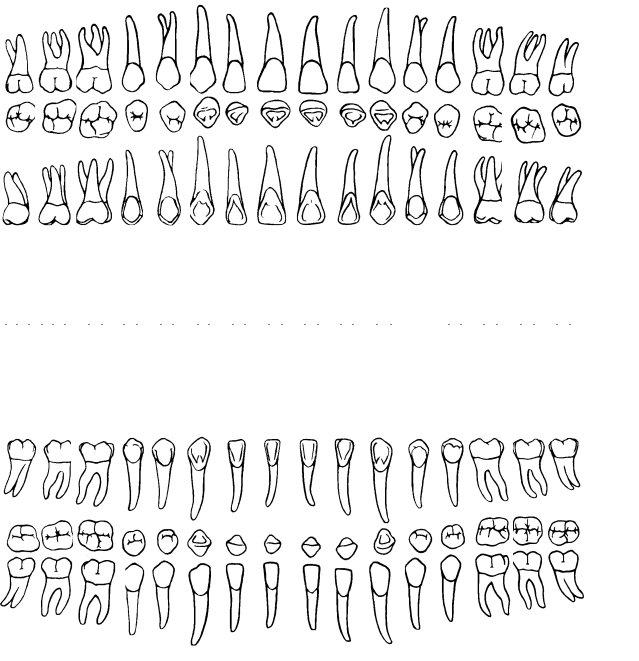
Printable Periodontal Chart prntbl.concejomunicipaldechinu.gov.co

Printable Periodontal Chart Printable Word Searches

Printable Periodontal Probing Chart Educational Printable Activities
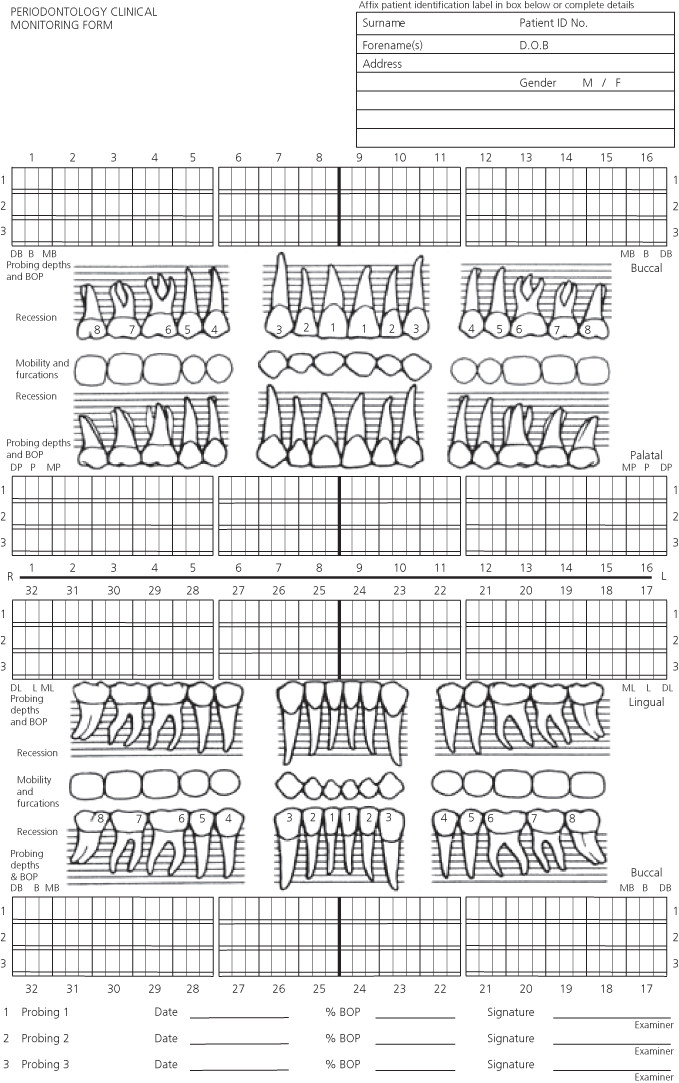
Printable Periodontal Chart prntbl.concejomunicipaldechinu.gov.co

Printable Periodontal Chart prntbl.concejomunicipaldechinu.gov.co
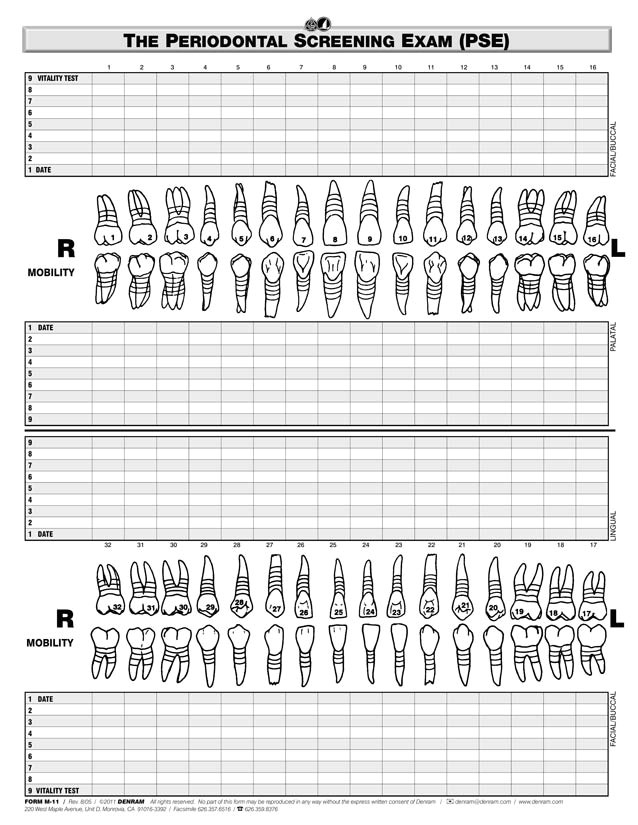
Periodontal Chart Printable Printable Free Templates
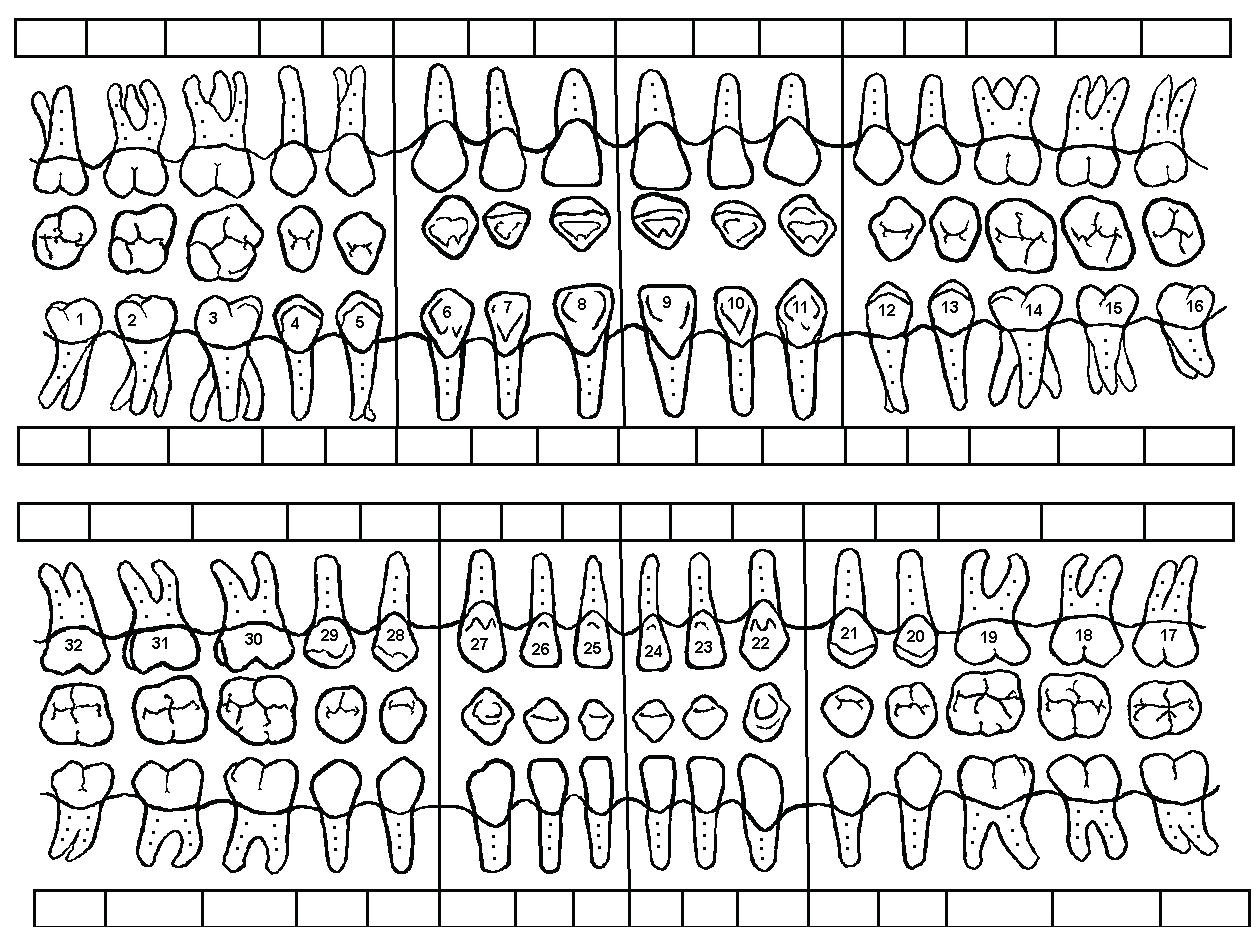
Printable Periodontal Chart

Printable Periodontal Chart Printable Calendars AT A GLANCE
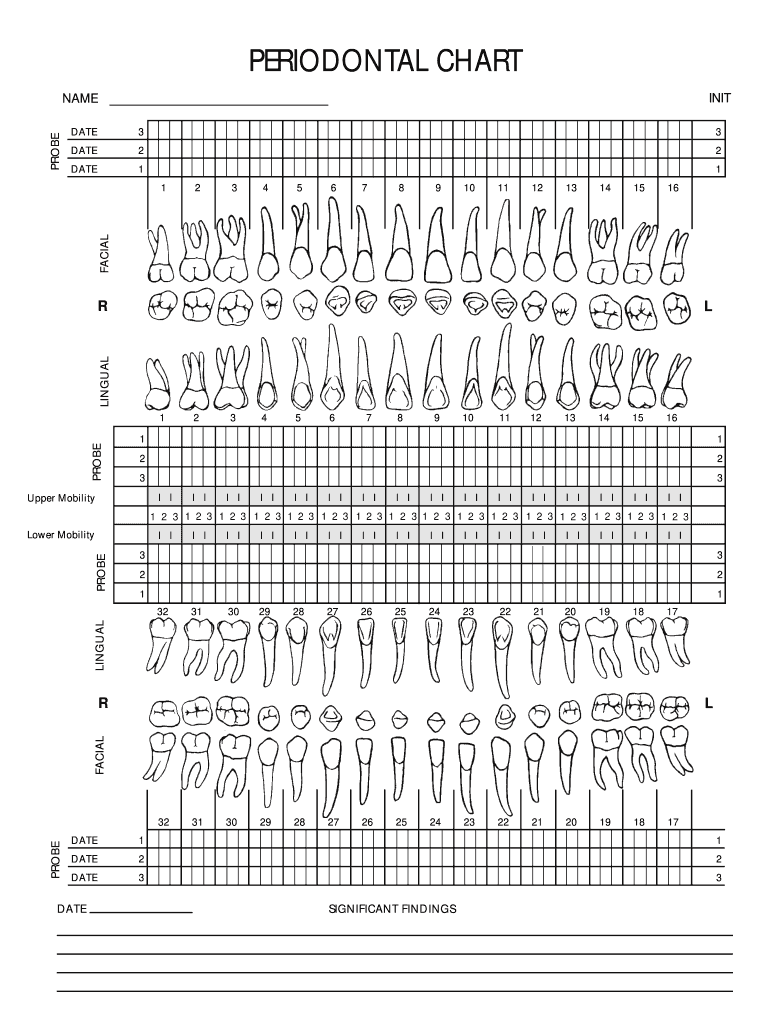
Printable Periodontal Chart
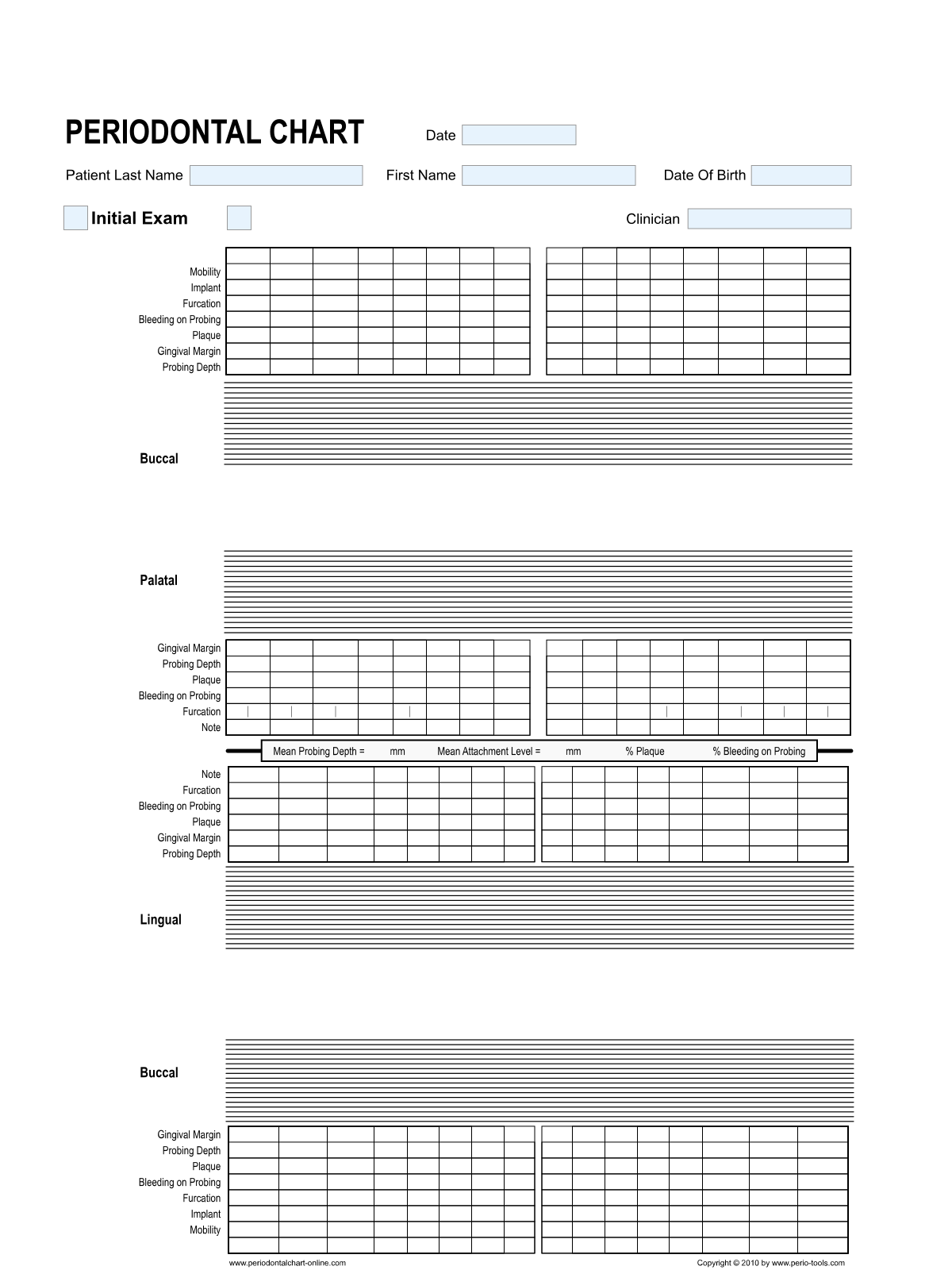
Printable Periodontal Chart prntbl.concejomunicipaldechinu.gov.co
Periodontal Diseases Range From Simple Gum Inflammation To Serious Disease That Results In Major Damage To The Soft Tissue And Bone That Support The Teeth.
Periodontitis (Gum Disease) Occurs When The Gums Become Infected And Inflamed Due To A Buildup Of Plaque And Tartar On The Teeth.
They Are Serious Bacterial Infections That Attack The Gums And The Nearby Tissues That Hold The Teeth In Place.
Related Post: